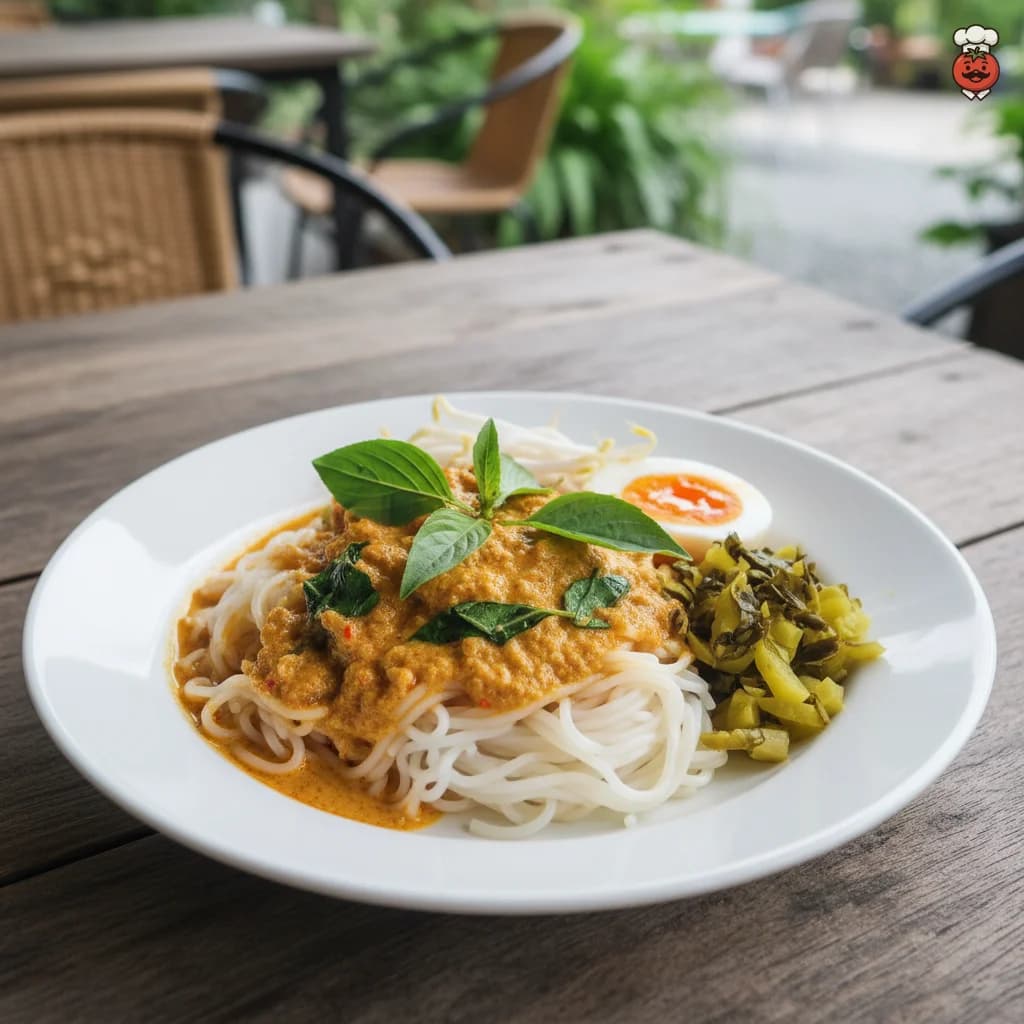
Khanom Jeen Nam Ya (Thai Fish Curry Noodles)
Khanom Jeen Nam Ya is a beloved Thai noodle dish featuring soft, fermented rice noodles generously topped with a rich, aromatic, and creamy fish-based curry sauce. It's traditionally served with a vibrant array of fresh vegetables and hard-boiled eggs, offering a delightful contrast of textures and flavors.
By CuocoMitra · Published · Updated 14 March 2026
- Total time
- Prep
- Cook
- Serves
- 4
- Per serving
- 724kcal
- Difficulty
- medium
Khanom Jeen Nam Ya (Thai Fish Curry Noodles) is a medium Thai recipe that serves 4 and takes 75 minutes (30 minutes prep, 45 minutes cooking). It uses 16 ingredients across 6 steps. Each serving provides about 724.27 calories.
Ingredients
16 ingredients for 4 servings. Open any ingredient for its nutrition detail.
- Fresh Khanom Jeen noodlesor thin rice vermicelli, cooked according to package instructions500 g
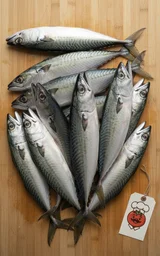 Raw King Mackerelskinless, boneless, or other firm white fish like basa or cod300 g
Scomberomorus cavalla
Aquatic foodsFishesIn this recipe: 300 g, skinless, boneless, or other firm white fish like basa or cod
Per 100 g
Calories105 kcalProtein20.3gCarbs0gFat2gFiber0gCommon portions
oz 3 undetermined 85 g fillet 0.5 undetermined 198 g Main proteinUmami builderFishyUmamiRichFirm Raw Coconut Milk2 cans800 ml
Nuts, coconut milk, raw (liquid expressed from grated meat and water)
Nut and Seed Productssr_legacyIn this recipe: 800 ml, 2 cans
Per 100 g
Calories230 kcalProtein2.29gCarbs5.54gFat23.8gFiber2.2gCommon portions
tbsp 1 undetermined 15 g cup 1 undetermined 240 g Liquid baseFat sourceThickenerCoconutSweetNutty Well Tap Wateror fish stock200 ml
Beverages, water, tap, well
Beveragessr_legacyIn this recipe: 200 ml, or fish stock
Per 100 g
Calories0 kcalProtein0gCarbs0gFat0gFiber0gCommon portions
fl oz 1 undetermined 29.6 g serving 8 fl oz 8 fl oz 1 undetermined 237 g liter 1 undetermined 1000 g Liquid baseSolventHydrationNeutralSilkySmooth
 Fish Sauce, Ready-to-Serve60 ml
Sauce, fish, ready-to-serve
Soups, Sauces, and Graviessr_legacyIn this recipe: 60 ml
Per 100 g
Calories35 kcalProtein5.06gCarbs3.64gFat0.01gFiber0gCommon portions
tbsp 1 undetermined 18 g Umami builderFlavor enhancerSeasoningUmamiBrinySavory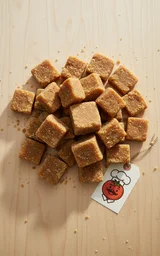 Jaggery Squaresor brown sugar30 g
JAGGERY SQUARES
Granulated, Brown & Powdered Sugarsr_legacyIn this recipe: 30 g, or brown sugar
Per 100 g
Calories380 kcalProtein0gCarbs95.1gFat0gFiber0gCommon portions
1 g 35 g SweetenerFlavor enhancerCaramelizerSweetCaramelMolasses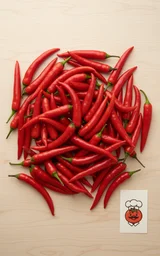 Raw Red Chili Pepperssoaked in hot water for 15 minutes, deseeded if less heat is desired15 pieces
Peppers, hot chili, red, raw
Vegetables and Vegetable Productssr_legacyIn this recipe: 15 pieces, soaked in hot water for 15 minutes, deseeded if less heat is desired
Per 100 g
Calories40 kcalProtein1.87gCarbs8.81gFat0.44gFiber1.5gCommon portions
pepper 1 undetermined 45 g cup, chopped or diced 0.5 undetermined 75 g Flavor enhancerSpiceAromaticSpicyFruityEarthy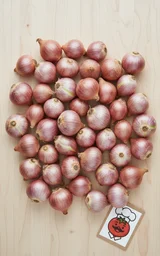 Raw Shallotspeeled and roughly chopped100 g
Shallots, raw
Vegetables and Vegetable Productssr_legacyIn this recipe: 100 g, peeled and roughly chopped
Per 100 g
Calories72 kcalProtein2.5gCarbs16.8gFat0.1gFiber3.2gCommon portions
tbsp chopped 1 undetermined 10 g AromaticFlavor enhancerBase ingredientPungentSweetAromatic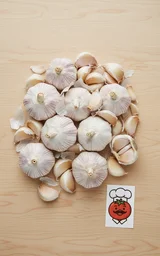 Raw Garlicpeeled30 g
Garlic, raw
Vegetables and Vegetable Productssr_legacyIn this recipe: 30 g, peeled
Per 100 g
Calories149 kcalProtein6.36gCarbs33.1gFat0.5gFiber2.1gCommon portions
tsp 1 undetermined 2.8 g clove 1 undetermined 3 g cloves 3 undetermined 9 g cup 1 undetermined 136 g AromaticFlavor enhancerSpicePungentSpicyEarthy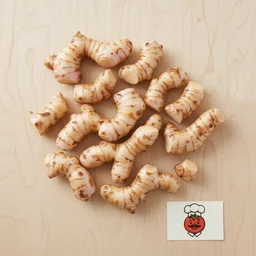 Galangalsliced20 g
Alpinia galanga
Vegetables and Vegetable ProductsRoot and tuber vegetablesIn this recipe: 20 g, sliced
Per 100 g
Calories55 kcalProtein0.8gCarbs10.4gFat0.4gFiber2.7gCommon portions
1 slice 1 slice 6 g 1 tbsp chopped 1 tbsp 10 g 100 g 100 g 100 g Aromatic baseSeasoningFlavor builderCitrusyPineyPeppery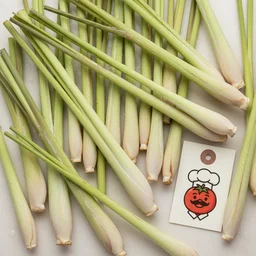 Raw Lemongrasswhite part only, thinly sliced2 stalks
Cymbopogon
Herbs & SpicesHerbsIn this recipe: 2 stalks, white part only, thinly sliced
Per 100 g
Calories99 kcalProtein1.82gCarbs25.3gFat0.49gFiber—Common portions
tbsp 1 undetermined 4.8 g cup 1 undetermined 67 g AromaticFlavor enhancerFragranceCitrusLemonHerbal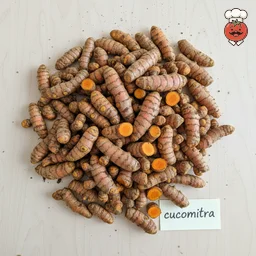 Turmericpeeled and sliced, or 1 tsp ground turmeric15 g
Curcuma longa
Herbs & SpicesSpicesIn this recipe: 15 g, peeled and sliced, or 1 tsp ground turmeric
Per 100 g
Calories312 kcalProtein9.68gCarbs67.1gFat3.25gFiber22.7gCommon portions
tsp 1 undetermined 3 g tbsp 1 undetermined 9.4 g Coloring agentFlavor enhancerAromaticEarthyBitterPeppery- Fingerrootpeeled and roughly chopped50 g
Boesenbergia rotunda
Herbs and SpicesAromatic rhizomesIn this recipe: 50 g, peeled and roughly chopped
Per 100 g
Calories70 kcalProtein1.8gCarbs15gFat0.8gFiber2gCommon portions
100 g 100 g minced 1 tbsp 8 g one finger 1 piece 15 g AromaticFlavoringSeasoningAromaticPepperyEarthy 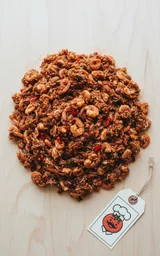 Ginisang Bagoong Sauteed Shrimp Pasteabout 1 teaspoon5 g
GINISANG BAGOONG SAUTEED SHRIMP PASTE
Other Cooking Saucessr_legacyIn this recipe: 5 g, about 1 teaspoon
Per 100 g
Calories467 kcalProtein13.3gCarbs13.3gFat33.3gFiber6.7gCommon portions
1 g 15 g Umami builderFlavor enhancerSalty elementUmamiBrinySavory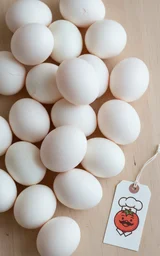 Hard-Boiled Whole Egghalved, for garnish4 pieces
Egg, whole, cooked, hard-boiled
Dairy and Egg Productssr_legacyIn this recipe: 4 pieces, halved, for garnish
Per 100 g
Calories155 kcalProtein12.6gCarbs1.12gFat10.6gFiber0gCommon portions
tbsp 1 undetermined 8.5 g large 1 undetermined 50 g cup, chopped 1 undetermined 136 g Main proteinBinderEmulsifierUmamiSulfurousMild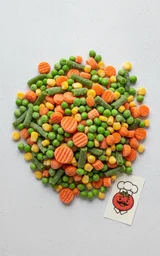 Frozen Mixed Vegetables, Unpreparede.g., bean sprouts, shredded cabbage, sliced long beans, cucumber, fresh basil, pickled mustard greens300 g
Vegetables, mixed, frozen, unprepared
Vegetables and Vegetable Productssr_legacyIn this recipe: 300 g, e.g., bean sprouts, shredded cabbage, sliced long beans, cucumber, fresh basil, pickled mustard greens
Per 100 g
Calories72 kcalProtein3.33gCarbs13.5gFat0.52gFiber4gCommon portions
package (10 oz) 0.33 undetermined 95 g package (10 oz) 1 undetermined 284 g pack (2-1/2 lb) 1 undetermined 1134 g Side dishFillerNutrient sourceEarthySweetSavory
What you’ll need
9 tools across 6 steps.






Method
- 1
Prepare the Fish and Curry Paste Ingredients
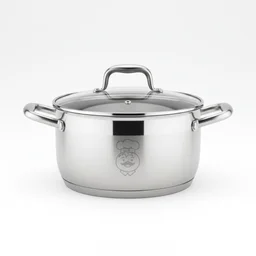
First, prepare the fish. Bring a pot of water to a boil. Add the 60 ml of mackerel fillets and poach for 5-7 minutes, or until cooked through. Remove the fish, let it cool slightly, then flake the flesh, discarding any bones or skin. Set aside.
While the fish cooks, prepare the ingredients for the curry paste. Drain the soaked dried red chilies. Peel and roughly chop the shallots, garlic, galangal, lemongrass (white part only), fresh turmeric, and fingerroot ginger.
Poaching the fish gently ensures it remains tender and easy to flake. You can also steam the fish if preferred.
- 2
Make the Nam Ya Curry Paste
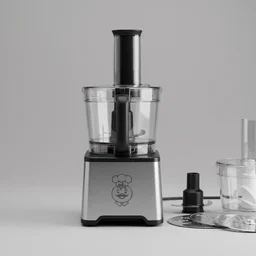
In a mortar and pestle (or a food processor), combine the drained dried red chilies, chopped shallots, garlic, galangal, lemongrass, fresh turmeric, and fingerroot ginger. Pound (or process) until a fine paste forms. Add the 5 g of shrimp paste and continue to pound/process until well incorporated and smooth. This is your Nam Ya curry paste.
For a truly authentic texture, a mortar and pestle is recommended. If using a food processor, you might need to add a tiny splash of water to help it blend.
- 3
Cook the Curry Base
Heat a large pot or wok over medium heat. Add about 200ml of the full-fat coconut milk (the thicker cream from the top of the can) and bring to a gentle simmer. Cook, stirring occasionally, until the coconut milk separates and a thin layer of oil appears on the surface (this takes about 5-7 minutes). This step is crucial for a rich curry.
Add the Nam Ya curry paste to the pot and stir-fry for 5-7 minutes until very fragrant and the raw smell disappears. Be careful not to burn it.
Cooking the coconut cream until the oil separates helps to develop a deeper flavor and richer texture for the curry sauce.
- 4
Simmer the Fish Curry Sauce
Add the flaked mackerel to the pot with the curry paste and stir well to combine. Pour in the remaining 800 ml of coconut milk and the 200 ml of water (or fish stock). Bring the mixture to a gentle boil, then reduce the heat to low and let it simmer for 15-20 minutes, allowing the flavors to meld and the sauce to thicken slightly.
Season the sauce with 60 ml of fish sauce and 30 g of palm sugar. Taste and adjust seasoning as needed. The sauce should be savory, slightly sweet, and spicy.
Do not boil the sauce vigorously once the fish is added, as it can break up the fish too much. A gentle simmer is best. Adjust the sweetness and saltiness to your preference.
Simmer Sauce: 20 min mixing bowl
 - 5
Prepare Noodles and Garnishes
While the curry sauce simmers, prepare the Khanom Jeen noodles according to package instructions. If using fresh noodles, they may only need a quick rinse and blanch. Arrange the cooked noodles on serving plates.
Prepare your garnishes: halve the hard-boiled eggs and arrange the assorted fresh vegetables (bean sprouts, shredded cabbage, sliced long beans, cucumber, fresh basil, pickled mustard greens) on a separate platter or directly on the plates alongside the noodles.
Khanom Jeen noodles are traditionally served at room temperature, making them a refreshing contrast to the warm curry. Have a variety of garnishes to allow everyone to customize their dish!
- 6
Serve Khanom Jeen Nam Ya
Ladle a generous amount of the hot, aromatic fish curry sauce over the prepared Khanom Jeen noodles on each of the 4 plates. Garnish each serving with hard-boiled egg halves and a selection of the fresh vegetables.
Serve immediately and enjoy this authentic taste of Thailand!
Khanom Jeen Nam Ya is a communal dish. Encourage diners to add as many fresh vegetables as they like to their bowl for extra crunch and freshness.
Nutrition
Per serving, across 4 servings.
| Nutrient | Per serving | Whole recipe |
|---|---|---|
| Calories | 724.3 kcal | 2897.1 kcal |
| Protein | 26.9 g | 107.8 g |
| Carbohydrates | 42.8 g | 171.4 g |
| Fat | 53 g | 211.9 g |
| Fibre | 9.7 g | 38.9 g |
| Sodium | 1600.7 mg | 6402.7 mg |
Computed from the matched ingredient data rather than entered by hand, with 100% of ingredients matched. Treat it as a close estimate, not a clinical figure.
How it tastes
- Salty
- 3 out of 5
- Sweet
- 2 out of 5
- Sour
- 1 out of 5
- Umami
- 4 out of 5
- Spicy
- 3 out of 5
- Herbal
- 2 out of 5
- Rich
- 4 out of 5
Texture
Mood
Good for
Free iPhone & Android app
Take this recipe into the kitchen
Everything on this page, plus the parts a web page cannot do: cook along hands-free, resize the recipe to how many people you are feeding, and log what you ate when you are done.
- Cook it hands-free. Step-by-step voice guidance with built-in timers, so you are not scrolling with wet hands.
- Scale and swap ingredients. Change the servings, or swap anything you are missing for something you already have.
- Log it in one tap. Cooked it? Log the macros by photo, barcode or voice, and sync with Apple Health or Health Connect.
Free to download. Your account works on the app and the web, so anything you save here is there too.
Questions about this recipe
How long does Khanom Jeen Nam Ya (Thai Fish Curry Noodles) take to make?
How many calories are in Khanom Jeen Nam Ya (Thai Fish Curry Noodles)?
Is Khanom Jeen Nam Ya (Thai Fish Curry Noodles) vegetarian or vegan?
What equipment do I need for Khanom Jeen Nam Ya (Thai Fish Curry Noodles)?
How spicy is Khanom Jeen Nam Ya (Thai Fish Curry Noodles)?
Cook this with a copilot
Scale any recipe, swap ingredients for what you have, track the macros automatically, and get step-by-step guidance while you cook.
Free to start. No card required.